Meta Description: Discover Halcare cream, its moisturizing ingredients, potential benefits for dry feet, possible side effects, and important safety advice before use.
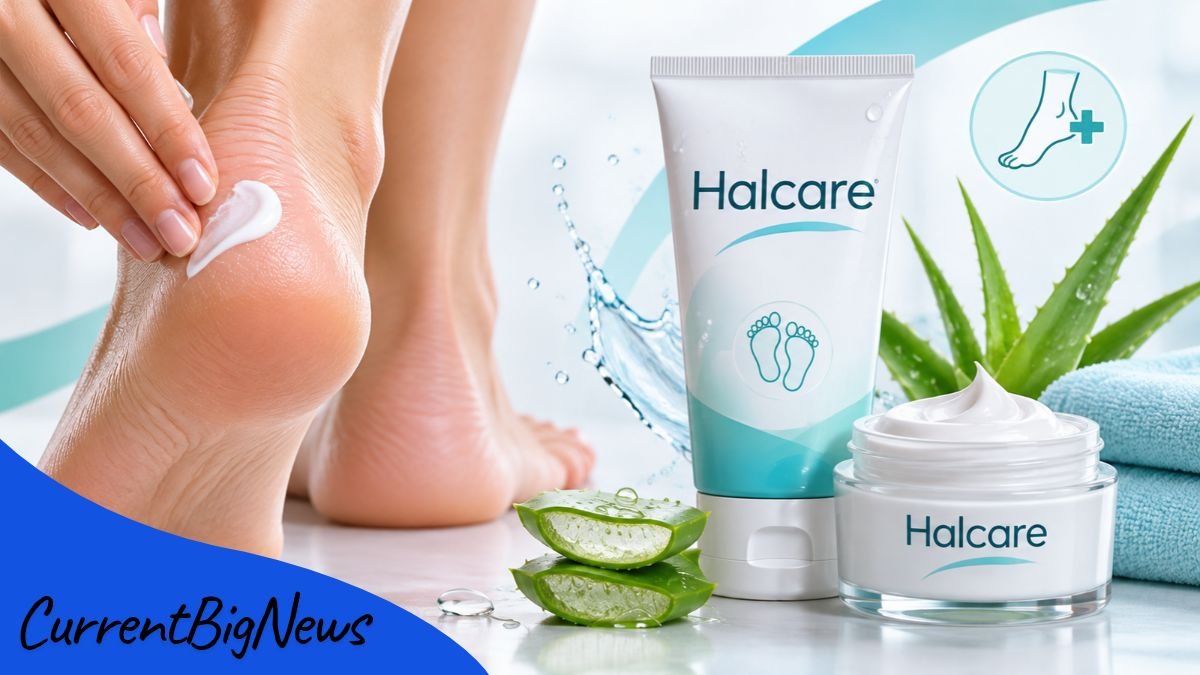
Halcare is a skincare product name associated with a moisturizing cream marketed by Halberd Pharmaceuticals in India. The cream contains ingredients commonly used to hydrate dry skin, soften rough areas, and reduce moisture loss. It has attracted attention in discussions about foot care, particularly for people dealing with dry heels, thickened skin, and everyday moisturizing needs.
However, understanding a skincare product requires more than reading its advertised benefits. Ingredients, individual skin conditions, possible irritation, and appropriate application all influence whether a cream is suitable.
This article examines the verified product information, explains the purpose of its ingredients, discusses potential benefits and precautions, and helps readers distinguish realistic moisturizing effects from unsupported medical claims.
What Is Halcare Cream?
Halcare cream is a topical skincare formulation listed in Iberd Pharmaceuticals’ product catalog. Its published ingredient list includes urea, glycerin, aloe vera, cocoa butter, dimethicone, petroleum jelly, zinc oxide, vitamin E, and several additional substances used in cosmetic and skin-conditioning formulations.
The combination suggests its primary practical function is to moisturize and protect dry skin. Different ingredients work together to attract water, soften rough surfaces, and limit moisture evaporation.
An Indian pharmaceutical retailer also lists the cream in a 100 ml package and identifies Halberd Pharmaceuticals as its marketer. This provides independent confirmation that the named product exists rather than being merely an unexplained term circulating online.
However, the publicly available manufacturer listing does not establish that the finished formulation has undergone clinical trials proving superiority over other moisturizers.
Who Markets the Product?
Halberd Pharmaceuticals is identified as the marketer of the cream in retail product information. Its catalog includes the product alongside other pharmaceutical formulations.
The published ingredient information helps establish the product’s composition, but it does not provide every detail a consumer might want. In particular, the publicly accessible description does not clearly state each ingredient’s concentration, provide a comprehensive clinical evidence profile, or specify the results users should expect.
Consumers should therefore distinguish verified ingredient information from claims about treatment effectiveness.
How Halcare Cream Ingredients Support Skin Moisture
Understanding a moisturizing cream begins with its formulation. A skincare product’s effectiveness depends not just on how many ingredients it contains, but on how those substances work together.
Urea and Glycerin for Hydration
Urea is a familiar ingredient in products designed for dry, rough, or scaling skin. It acts as a humectant, helping the outer skin retain water. At certain concentrations, urea can also soften thickened surface layers.
Glycerin performs another moisturizing function by attracting moisture into the skin’s outer layer. It is commonly included in creams and lotions because adequate hydration can improve softness and flexibility.
Halcare contains both ingredients, although its published formulation does not clearly disclose their individual concentrations. Consequently, it would be inaccurate to promise a particular degree of exfoliation or a specific improvement timeline based on the ingredient list alone.
Cocoa Butter, Dimethicone and Protective Ingredients
Cocoa butter is an emollient that helps improve the texture and softness of dry skin. It is frequently found in products intended to reduce roughness and support comfortable skin conditioning.
Dimethicone, light liquid paraffin, and white petroleum jelly help limit water loss by forming protective layers on the skin’s surface.
These substances provide a different function from humectants. Rather than primarily attracting water, they help preserve existing moisture.
Combining hydration-supporting ingredients with protective substances is a familiar approach in skincare formulation. This can help when dryness results from repeated washing, exposure to dry conditions, or everyday wear on the feet.
Aloe Vera, Vitamin E and Additional Components
The manufacturer also lists aloe vera, vitamin E, zinc oxide, and L-arginine.
Aloe vera is commonly used for skin conditioning, while vitamin E appears in many skincare preparations because of its antioxidant properties. Zinc oxide has established applications in protective skin formulations.
L-arginine is an amino acid included in the product, but its specific contribution to clinical outcomes for this particular cream has not been demonstrated by publicly available product trials.
The formula also includes preservatives and perfume. These components may support product stability or appearance, although fragrance can be unsuitable for some sensitive skin types.
What Is Halcare Cream Used For?
The ingredient profile makes Halcare relevant for everyday moisturizing needs, especially when skin becomes dry or rough.
Consider its potential uses in general skincare rather than as independently proven medical indications.
Moisturizing Dry Feet and Rough Heels
Feet experience considerable daily pressure, friction, and environmental exposure. The skin around the heels can become dry or thickened, particularly when footwear, prolonged standing, or inadequate moisturizing contribute to discomfort.
A moisturizer containing humectants and emollients may improve hydration and temporarily reduce the rough feeling associated with dry skin.
For people whose heels feel tight or flaky, moisturizing can be a useful part of a regular foot-care routine. However, severe cracking, bleeding, persistent pain, or signs of infection require more than a standard moisturizer.
Supporting Everyday Skin Comfort
A cream containing glycerin, cocoa butter, and protective ingredients may help improve softness on suitable areas of intact skin.
Results depend on individual skin characteristics, the product formulation, application habits, and the causes of dryness.
Some people respond well to rich creams, while others prefer simpler fragrance-free moisturizers. A longer ingredient list doesn’t automatically mean a product is more effective.
Halcare Cream and Diabetic Foot Care
Foot care deserves particular attention for people living with diabetes. Changes in circulation, nerve sensation, and skin condition can increase the risk of complications, so daily inspection and appropriate moisturizing matter.
Dry skin may become cracked, creating an opportunity for irritation or infection. A suitable moisturizer can help maintain skin comfort, but moisturizing does not treat diabetic neuropathy, impaired circulation, ulcers, or infections.
People with diabetes should choose skincare products based on professional recommendations, especially if they have reduced sensation or existing foot problems.
The National Institute of Diabetes and Digestive and Kidney Diseases advises applying a thin layer of moisturizing cream to the tops and bottoms of the feet while avoiding the areas between the toes, where trapped moisture may encourage infection.
Halcare should not be applied to open wounds or ulcers without appropriate medical advice.
How to Use Halcare Cream Safely
Using a moisturizer correctly matters as much as choosing the right product.
Before applying any cream, inspect the intended area for cuts, inflammation, unusual discoloration, or signs of infection. Clean the skin gently and dry it thoroughly.
Follow the instructions supplied on the actual packaging. Where appropriate, apply a modest amount to dry, intact skin and spread it gently without aggressive rubbing.
Avoid contact with the eyes, mouth, and other sensitive areas unless the product instructions specifically permit such application.
For foot moisturizing, focus on the heels and other dry areas, and avoid excess moisture between the toes.
Precautions for Sensitive Skin
People with sensitive skin should examine the complete ingredient list before use. Perfume, preservatives, and certain other formulation components can trigger irritation or allergic reactions in susceptible individuals.
Testing a small area of intact skin before wider application may help identify an obvious reaction, although it cannot guarantee that an allergy will not develop.
If redness, burning, itching, or a rash appears, stop using it and seek medical guidance when needed.
Individuals with an existing skin disorder should consult an appropriate healthcare professional before adding unfamiliar skincare products to their routine.
Can Halcare Cream Repair Cracked Heels?
Moisturizing can help improve dry skin’s flexibility and reduce further moisture loss, but the severity of heel cracking determines what care may be required.
Mild dryness may respond to regular use of a suitable moisturizer. Thick calluses or deeply cracked heels may need assessment by a podiatrist or other qualified clinician.
Urea-based products are sometimes recommended for thickened skin, but their effects depend significantly on concentration.
Because the publicly available product information does not clearly establish the urea percentage, claims about how rapidly this specific cream repairs cracked heels should be treated cautiously.
Seek medical advice if you have painful fissures, bleeding, warmth, spreading redness, or drainage, rather than relying on moisturizer alone.
Possible Side Effects and Limitations
Like other skincare preparations, Halcare may not suit every user.
Possible reactions to ingredients in moisturizing creams include stinging, itching, redness, contact irritation, and allergic skin responses. These are potential reactions based on the ingredient types, not established rates of adverse events for this particular finished product.
Urea-containing moisturizers can sometimes sting, especially on irritated or damaged skin. Fragrance and preservatives may also cause problems for individuals with specific sensitivities.
Another limitation is the absence of readily available, product-specific clinical studies demonstrating how the formulation performs compared with alternative moisturizers.
This does not mean the cream is ineffective. It means that claims about exceptional results, guaranteed healing, or medically proven superiority should not be made without suitable supporting evidence.
Halcare Cream Price and Availability
Indian retailer Tata 1mg identifies a 100 ml package of Halcare cream and lists Halberd Pharmaceuticals as its marketer.
However, product prices and stock availability can change. A retailer listing does not guarantee that a product is currently available for purchase.
Before buying, check the seller’s credibility, product seal, batch number, expiry date, manufacturer details, and ingredient label.
Buying from established pharmaceutical retailers may offer more accountability than buying from an unidentified social-media seller.
Customers outside India should also check whether the product is legitimately distributed in their location.
Consider price alongside authenticity, suitability, and safety rather than treating it as the only reason to choose a moisturizer.
Why the Halcare Name Can Cause Confusion
The name is not exclusive to the skincare product. Public records and reporting also show unrelated uses of the same or similarly spelled term.
For example, Companies House records a British business called HALCARE LTD as incorporated in January 2025 and dissolved in July 2026.
In Malaysia, a University of Malaya community education initiative used the name HalCare for an awareness program concerning halal principles.
An Indonesian veterinary medicine database also records an animal-use product under the name HALCARE.
These references should not be mistaken for the Indian moisturizing cream. Their existence shows why identifying the country, manufacturer, product category, and official information matters when researching an unfamiliar name.
Similarly, HaloCare, with an additional letter, can refer to entirely different healthcare or home-support services.
FAQs
What is Halcare cream mainly used for?
It is a moisturizing skincare product containing ingredients commonly used to hydrate and soften dry skin. Its formulation makes it relevant to dry feet and rough heels, although specific medical treatment claims require stronger evidence.
Does the cream contain urea?
Yes. Urea is included in the ingredient information published by Halberd Pharmaceuticals. However, the exact concentration is not clearly disclosed in the publicly available product listing.
Can people with diabetes use this moisturizer?
A suitable moisturizer can form part of diabetic foot care, but product selection should reflect individual medical needs. People with ulcers, reduced sensation, infections, or circulation problems should seek professional advice.
Are there any possible side effects?
Some individuals may experience itching, redness, stinging, or irritation from moisturizing ingredients, preservatives, or fragrance. Discontinue use if an adverse skin reaction develops and seek advice if symptoms are significant or persistent.
Is the cream available online?
The product has been listed by an established Indian pharmaceutical retailer in a 100 ml package. Actual stock availability, price, and shipping options should be checked with the retailer before purchasing.
Conclusion
Halcare is a verified skincare product name associated with Halberd Pharmaceuticals, whose published formulation contains urea, glycerin, aloe vera, cocoa butter, dimethicone, petroleum jelly, and other skin-conditioning ingredients.
These substances have established roles in moisturizing, softening, and protecting dry skin. The cream may therefore be relevant for people seeking routine moisturizing support, particularly for dry feet and rough heels.
Nevertheless, ingredient-based benefits should not be confused with clinically demonstrated results for the finished product. Public information does not establish that the cream treats diabetic ulcers, cures skin disorders, or outperforms other moisturizers.
For everyday skincare, careful product selection and appropriate application remain essential. Persistent cracking, painful skin changes, or diabetic foot complications deserve professional assessment rather than reliance on a cosmetic moisturizer alone.